Moments from the plains, the crater and the coast — photographed on our own safaris.
Our photographs
Africa, as we found it
Every photograph here was taken on a TerraTembo safari. Filter by animal, or tap any image to view it larger.
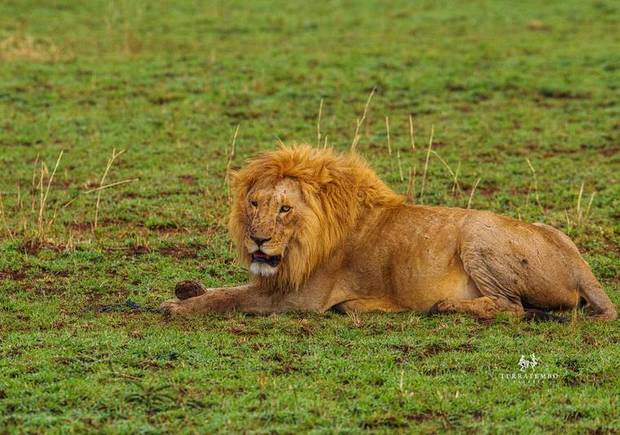
Lion
Panthera leo
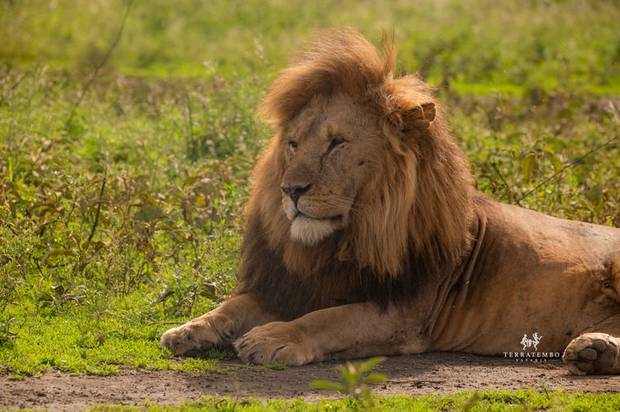
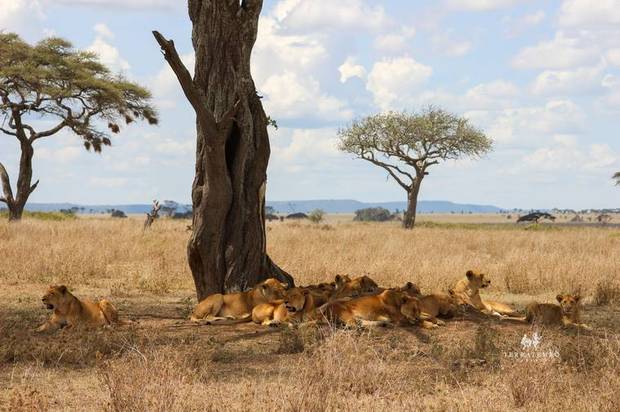
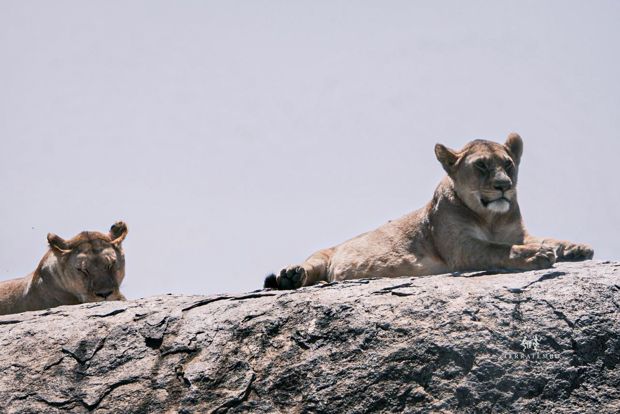
The lion is Africa’s only truly social big cat, living in prides of related females, their cubs and a coalition of resident males. In Tanzania, your best chance of seeing them is the Serengeti, Ngorongoro Crater, Tarangire and Nyerere National Park.
Where found
Sub-Saharan Africa; strongholds in the Serengeti, Ngorongoro Crater, Tarangire and Nyerere (Selous)
Male vs female
Males grow a mane and weigh up to 190kg — noticeably bigger than maneless females (up to 130kg), who do most of the pride’s hunting
Lifespan
10–14 years in the wild; up to 20 in protected reserves
Young
Called cubs. Litters of 1–4, born blind and helpless, and raised communally by the pride’s females
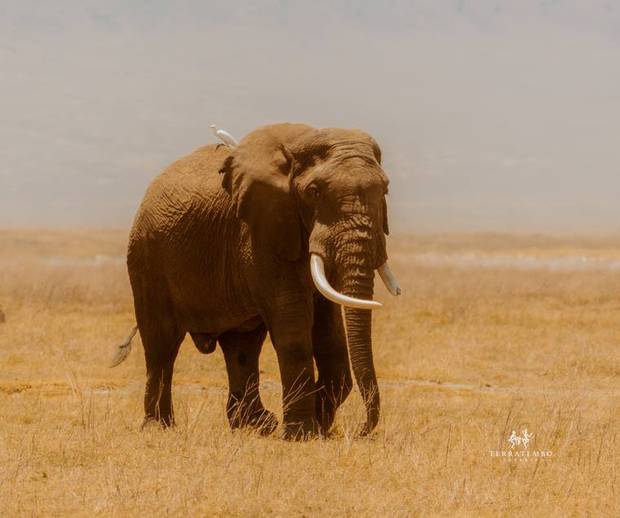
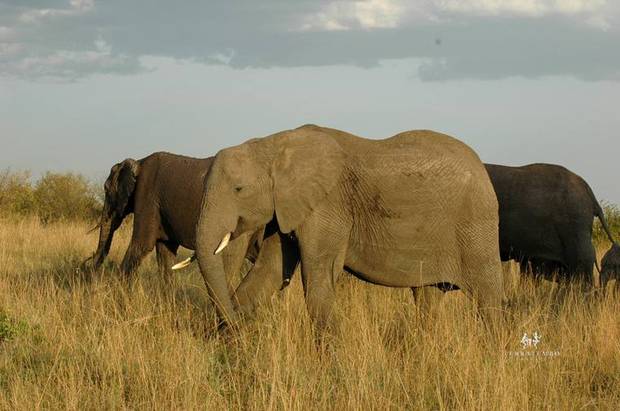
Elephant
Loxodonta africana
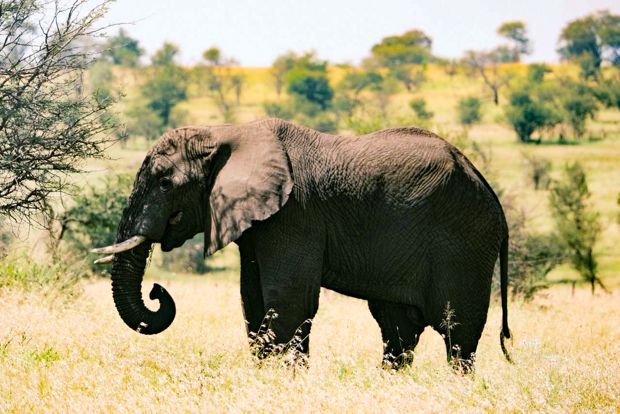
The African bush elephant is the largest land animal on Earth. Tarangire National Park is famous for its huge elephant herds, drawn to the Tarangire River in the dry season.
Where found
Across Tanzania’s parks, especially Tarangire, Serengeti and Ngorongoro
Male vs female
Bulls (males) are larger, up to 6,000kg, with thicker tusks; cows (females) live in tight-knit matriarchal herds led by the oldest female
Lifespan
60–70 years — among the longest-lived land mammals
Young
Called calves. Gestation is about 22 months, the longest of any mammal, and a newborn calf weighs roughly 120kg
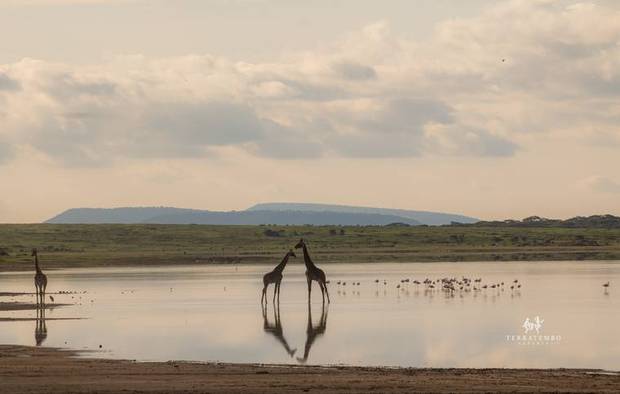
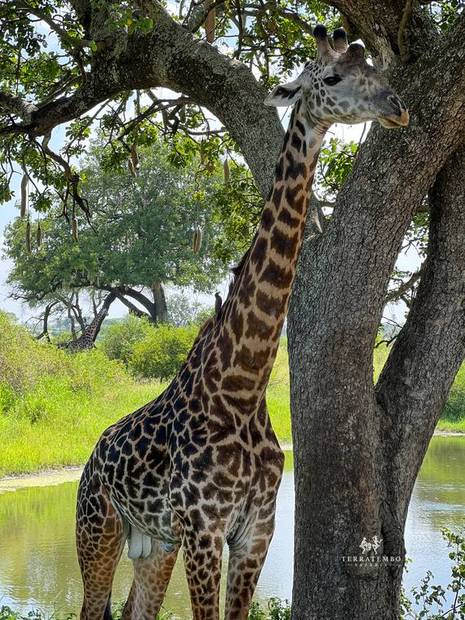
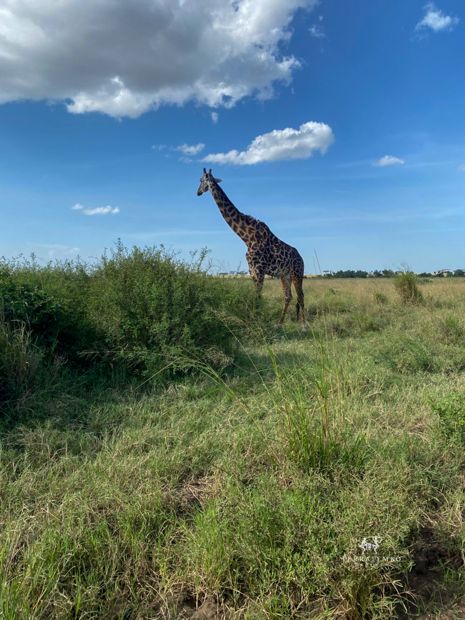
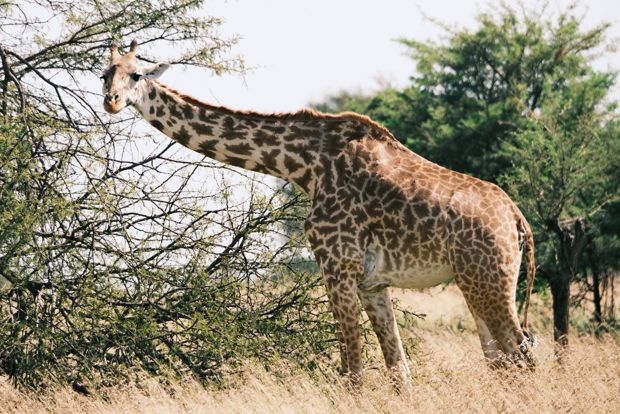
The world’s tallest land animal, reaching up to 5.5 metres. The Masai giraffe, Tanzania’s subspecies, is easily told apart by its jagged, star-shaped coat patches.
Where found
Savanna woodland across Tanzania, especially Tarangire and the Serengeti ecosystem
Male vs female
Bulls are taller with darker patches that deepen with age, and spar by swinging their necks (“necking”); females are slightly shorter with lighter markings
Lifespan
20–25 years in the wild
Young
Called calves. Born standing almost 2 metres tall and can stand within 30 minutes of birth, after a 15-month pregnancy
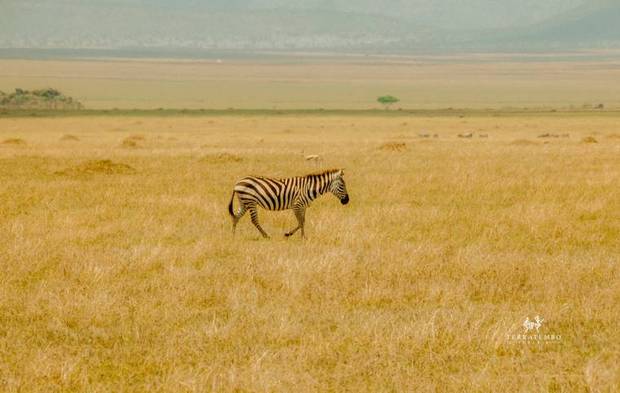
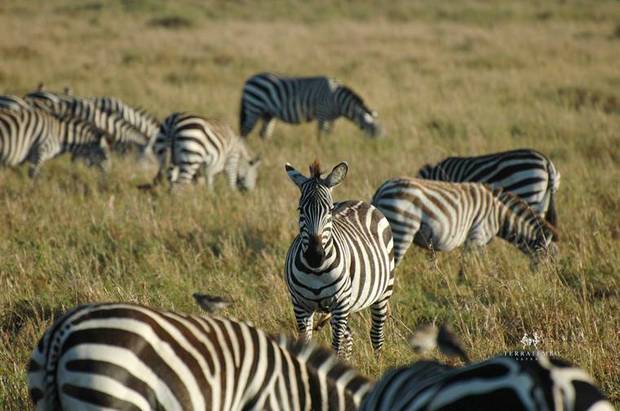
Zebra
Equus quagga
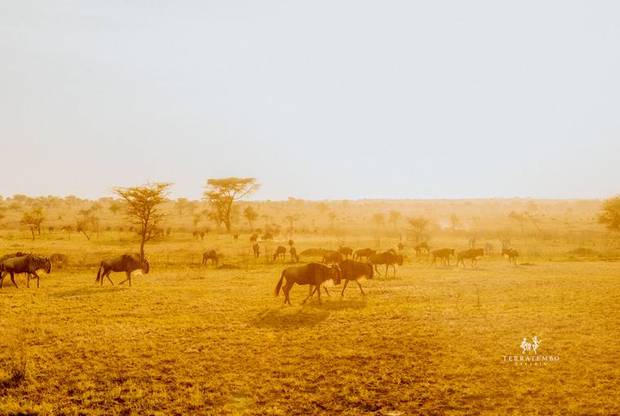
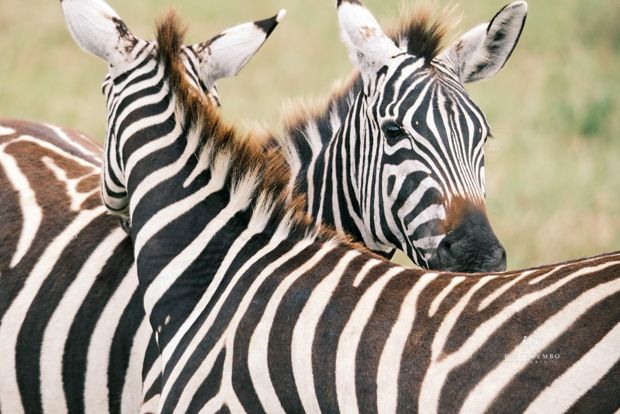
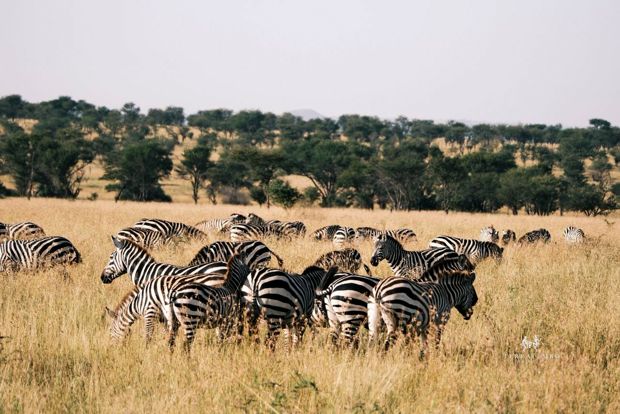
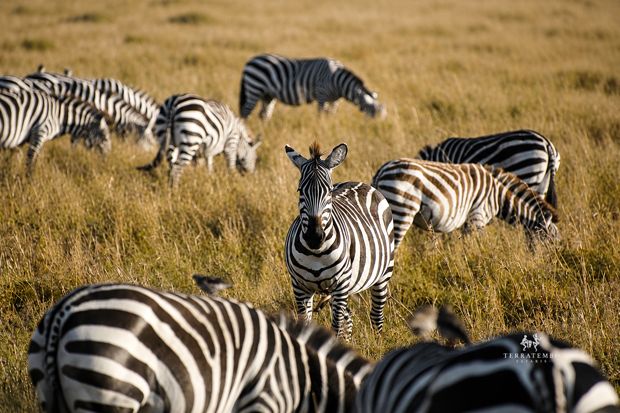
No two zebras share the same stripe pattern — as individual as a fingerprint. Plains zebra are one of the star performers of the Great Migration between the Serengeti and Maasai Mara.
Where found
Open grassland across East Africa; huge numbers migrate through the Serengeti year-round
Male vs female
Stallions (males) and mares (females) are similar in size; a stallion typically defends a harem of several mares and their young
Lifespan
20–25 years in the wild
Young
Called foals. Able to stand and run within an hour of birth — a stripe pattern helps a foal recognise its own mother in the herd
Impala
Aepyceros melampus
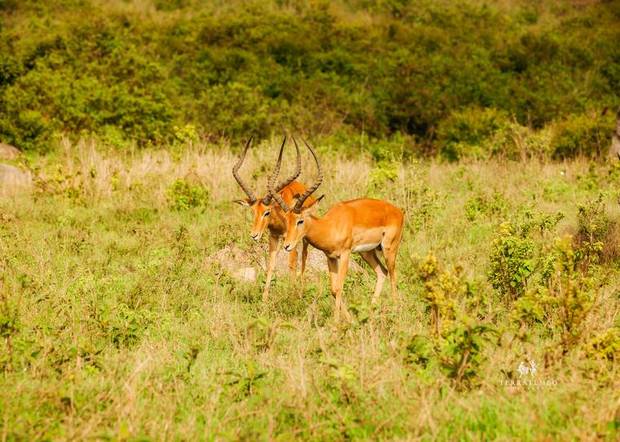
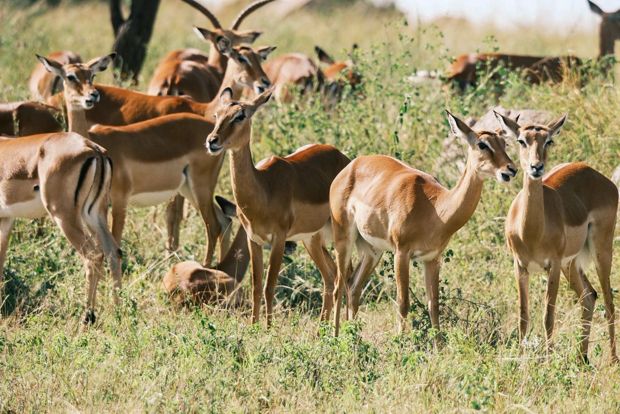
A graceful, medium-sized antelope best known for spectacular leaps — up to 3 metres high and 10 metres long — used to startle and outrun predators.
Where found
Woodland savanna across East and Southern Africa, common throughout northern Tanzania
Male vs female
Rams (males) carry lyre-shaped horns up to 90cm long; ewes (females) are hornless and gather in larger herds
Lifespan
12–15 years in the wild
Young
Called lambs. Births are often synchronised to the start of the wet season, flooding the area with young to overwhelm predators
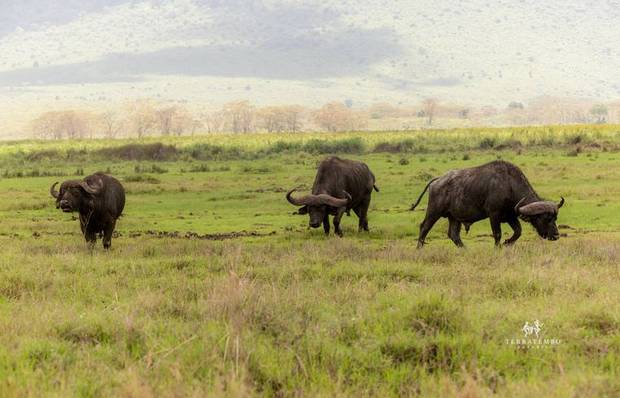
Buffalo
Syncerus caffer
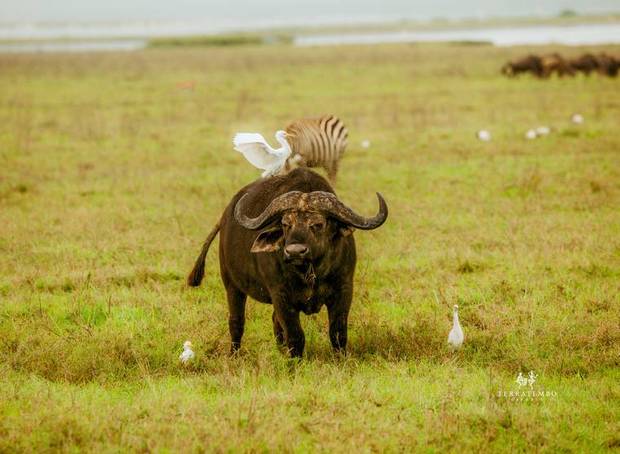
One of the “Big Five”, the Cape buffalo moves in herds that can number in the thousands and has a reputation as one of the savanna’s most unpredictable animals when threatened.
Where found
Grassland and wetland areas including the Ngorongoro Crater and Serengeti
Male vs female
Bulls develop a fused, helmet-like “boss” across the forehead where their horns meet; cows have smaller horns without the fused boss
Lifespan
15–20 years in the wild
Young
Called calves, and stay close to the safety of the herd for their first few years
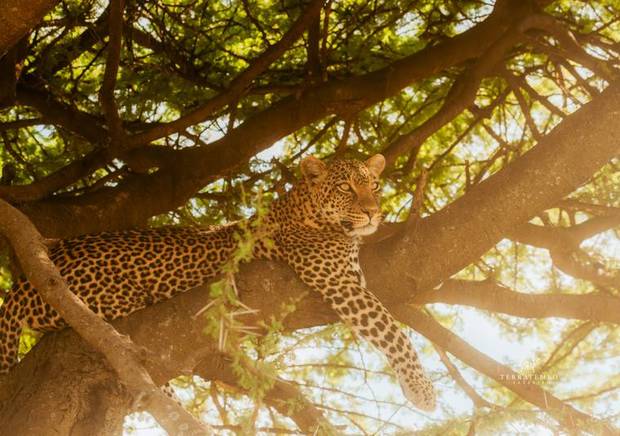
Leopard
Panthera pardus
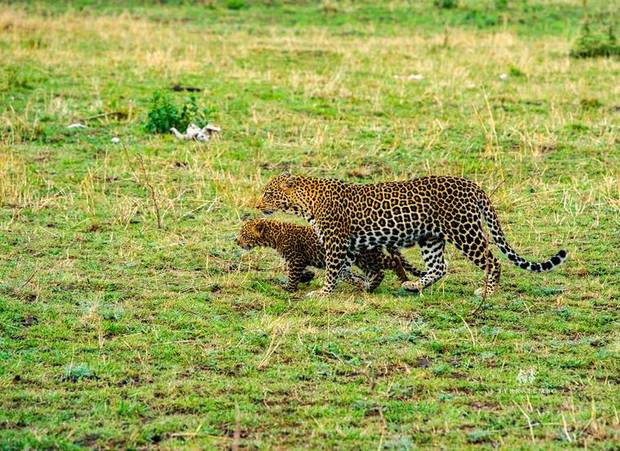
Solitary and superbly camouflaged, the leopard is the most elusive of the Big Five, often spotted resting in the branches of a riverine tree beside its kill.
Where found
Wooded and riverine habitat across Tanzania, including the Serengeti’s Seronera valley and Tarangire
Male vs female
Males are notably larger, up to 90kg against a female’s 60kg, and hold larger territories that overlap several females’
Lifespan
12–17 years in the wild
Young
Called cubs. Litters of 1–3 are hidden in a den and raised by the mother alone for the first 8 weeks
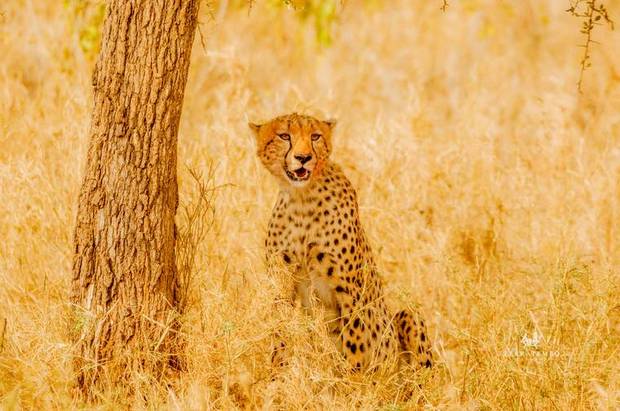
Cheetah
Acinonyx jubatus
The fastest land animal alive, capable of bursts up to 110km/h. Cheetahs hunt by sight in open country, making the short-grass plains of the Serengeti and Ndutu prime territory.
Where found
Open plains, especially the southern Serengeti and Ndutu during calving season
Male vs female
Males sometimes form small lifelong coalitions, usually with brothers, for hunting and territory; females are solitary except when raising cubs
Lifespan
10–12 years in the wild
Young
Called cubs. Litters can number up to 6, though cub mortality is high — many are lost to lions and hyenas before adulthood
Birdlife
Over 1,000 species recorded in Tanzania
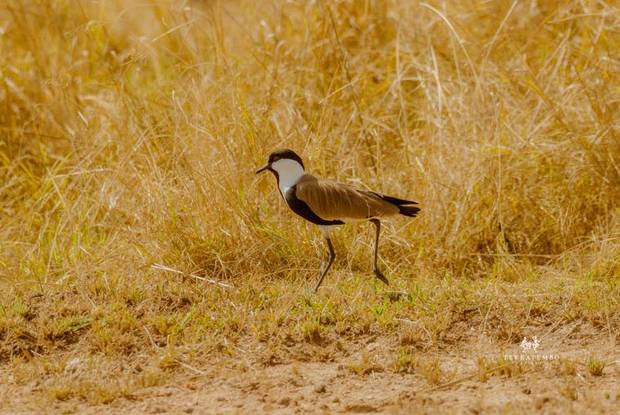
From flocks of flamingos on the soda lakes to raptors patrolling the plains, Tanzania is one of Africa’s richest birding destinations.
Where found
Soda lakes like Manyara and Natron for flamingos; open plains and woodland for raptors and ground birds
Signature species
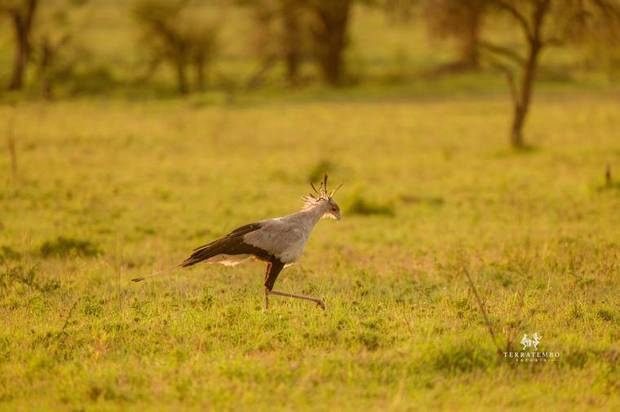
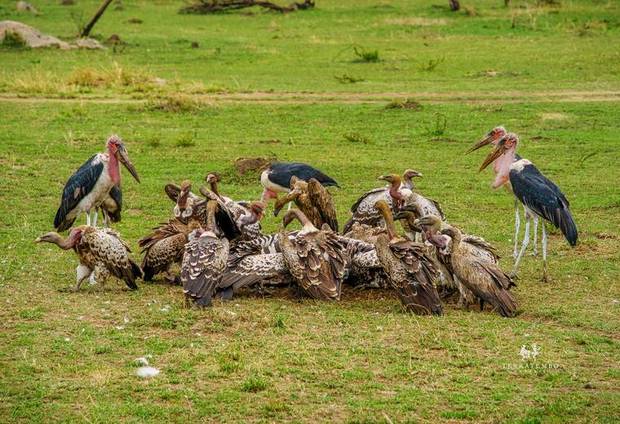
The secretary bird hunts on foot, stamping on snakes and small prey; vultures play a vital clean-up role across the ecosystem
Best season
November–April, when migratory species from Europe and Asia join the resident birdlife
Fun fact
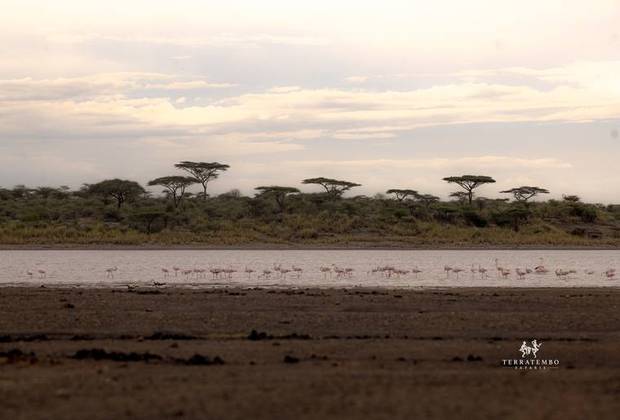
Lesser flamingos can gather at soda lakes in flocks of hundreds of thousands, drawn by the algae that also tints their feathers pink
Other wildlife
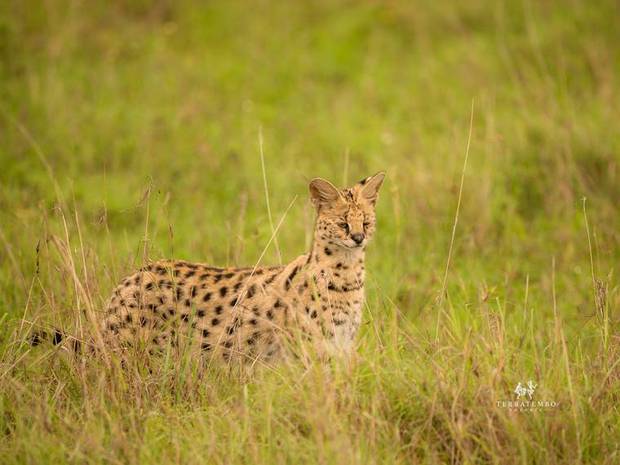
Rhino, hyena, hippo, crocodile, serval and more
Beyond the headline species, Tanzania’s parks hold a huge cast of supporting characters — each with its own story.
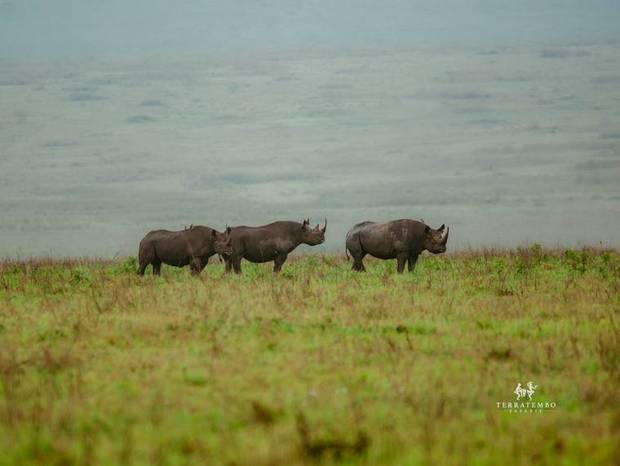
Black rhino
Critically endangered; the Ngorongoro Crater is one of the few places left to see one in the wild
Hippo
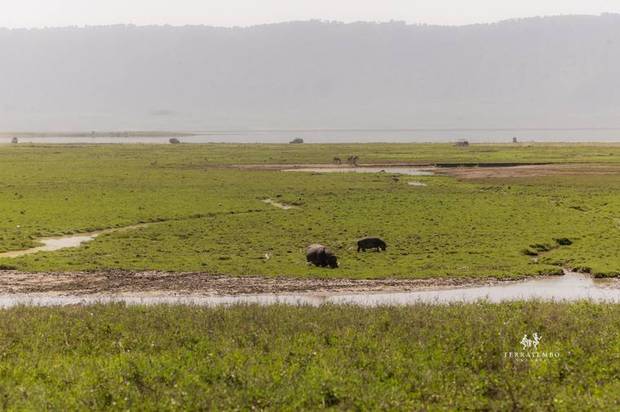
Spends most of the day submerged to protect its sensitive skin from the sun, emerging at night to graze
Nile crocodile
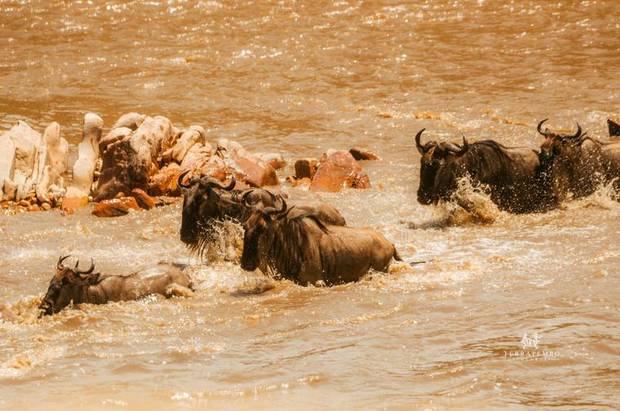
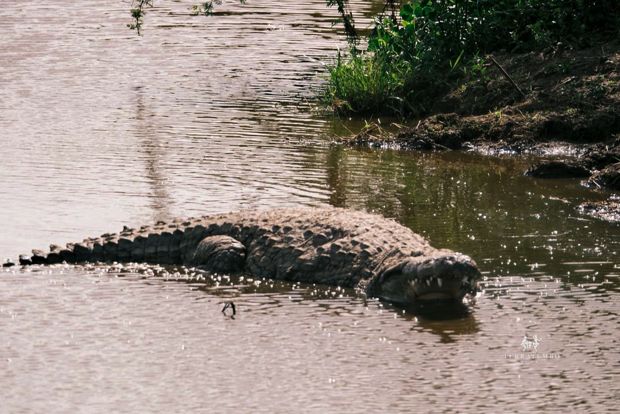
An ambush predator that lies in wait at river crossings during the Great Migration
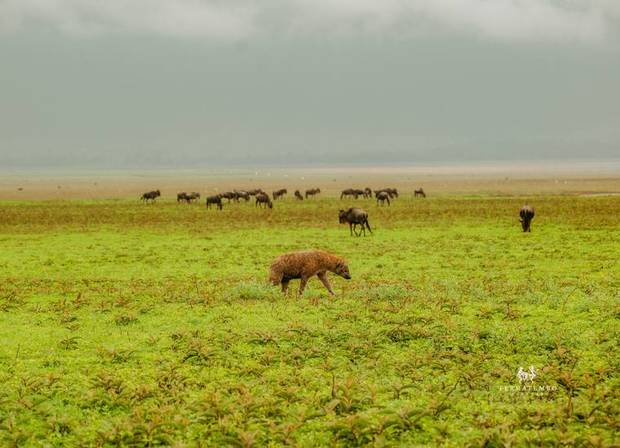
Spotted hyena
A skilled hunter in its own right, living in complex matriarchal clans — not just a scavenger, as often assumed
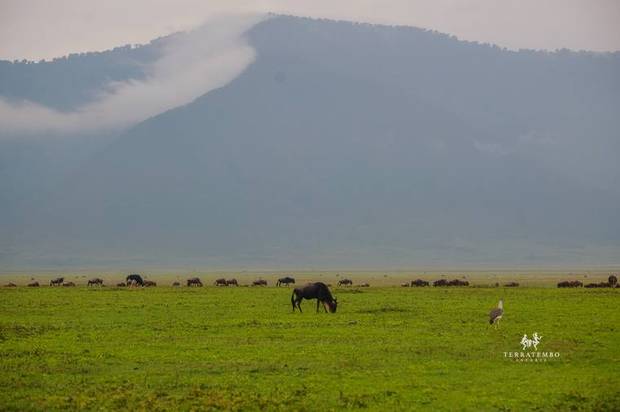
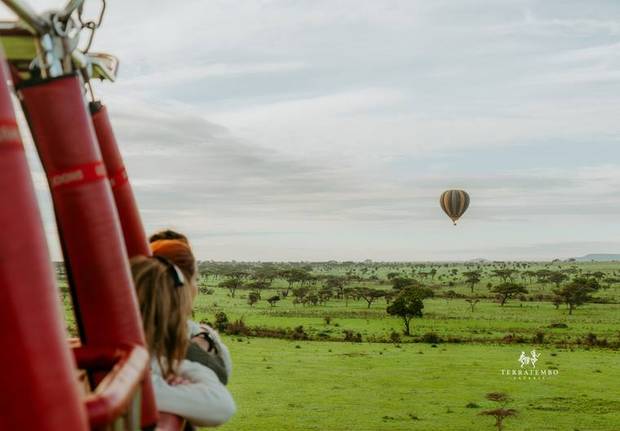
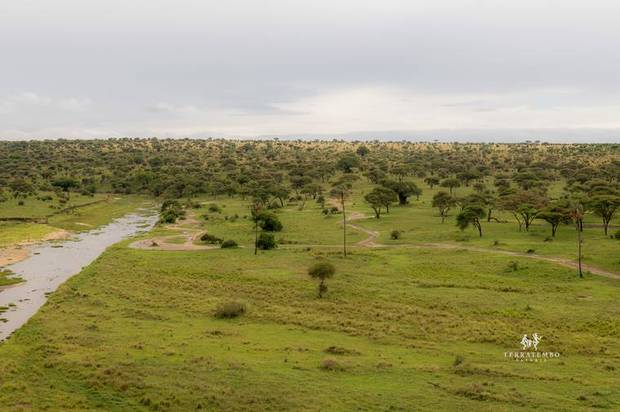
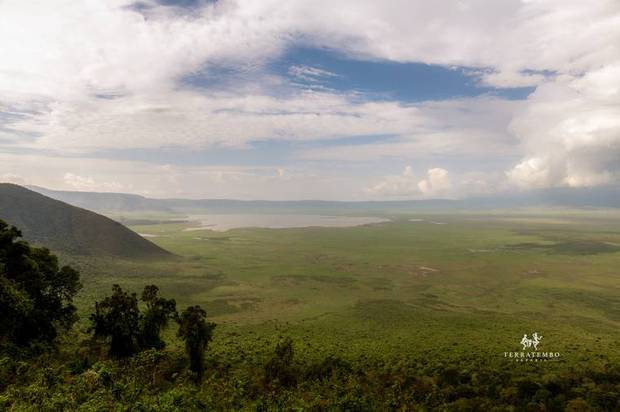
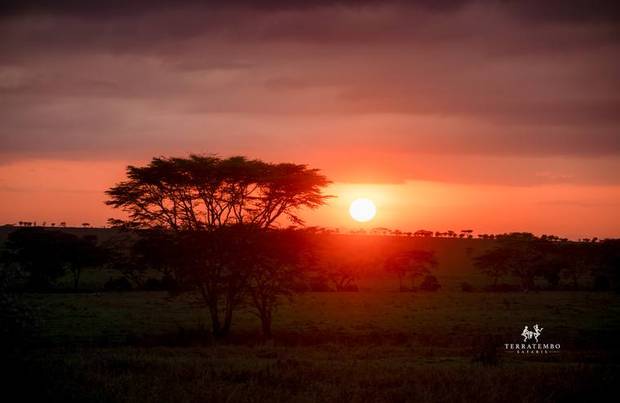
Giraffes at the lake shoreLion at restServal in the long grassSecretary bird on the plainsBuffalo herdGiraffe among the acaciasBuffalo and cattle egretsHyena on the plainsOn the crater floorBlack rhinoImpala at first lightBalloon safari at dawnElephant in the golden dustThe Great MigrationLeopard in the treeZebra in golden grassLion in the green seasonSpur-winged lapwingRiver crossingCheetah in the shadeEndless plainsAt the killLeopard and cubThe pride in the shadeZebra herdElephants on the moveThe Ngorongoro CraterSunset over the acaciasHippos in the marshFlamingos at the soda lakeElephant grazing the plainsLions resting on a rockZebras, close upZebra herd on the plainsZebra herd, wide plainsGiraffe beneath a big skyGiraffe feeding on acaciaA group of impalaCrocodile on the riverbankSunset over the plains
Your turn
Come and see it for yourself
Tell us what you dream of seeing, and we’ll build the journey around it.
Seasonal travel ideas, migration timing and the occasional special offer — a few times a year, never spam.
We use cookies to improve your experience on our website. You can accept all cookies or continue with only those needed for the site to work. See our policy for details.